
Checking Criminal History in Surrency
Surrency has few local web tools, so a sound search relies on record ownership. The town name tells where an event happened. It does not always tell which agency wrote the report. Use the citation, release paper, or case notice to identify the office and gather a full name, date, location, and known identifier.
Move forward one layer at a time. This avoids mistaking a missing portal result for a missing record and keeps state-prison or federal tools from being used for local custody.
- Identify the issuing or arresting agency from the source document.
- Request its incident, arrest, or citation record with a narrow description.
- Contact Appling County Jail if a Surrency-area arrest led to booking.
- Check the issuing municipal court or Appling court after a case is filed.
- Use GCIC, GDC, or a federal source only when the record belongs there.
Surrency Starts With the Agency
No verified Surrency police records page, city app, blotter, warrant list, or online court docket was found in the official-source sweep. That finding calls for a routing method, not a claim that no public files exist. Ask which agency responded or read the agency block on the citation. A state-highway stop may belong to Georgia State Patrol rather than the town.
Once the agency is known, ask its custodian for an existing record. Give the event date, place, subject name, and report or citation number. A narrow request is easier to search, price, and review for lawful redactions. It also gives the custodian less reason to seek clarification before work begins.
Surrency Police Department Records
Surrency has no published standalone police request process confirmed by the research. A requester should not invent a department address or assume the town holds a report created by another agency. Confirm the responsible office through the document or official dispatch routing, then use that custodian's current method.
Police and incident records can contain a narrative, officer action, event time, listed property, and witness material. Some portions may be removed from the public copy. Georgia law protects sensitive personal details and permits withholding of specified pending-investigation material. The released Surrency record can therefore be useful without being a full copy of every page or field.
Narrow Surrency Record Requests
An open-records request should name a record, not pose a broad question. Ask for the incident report tied to a date and location, the arrest report under a known number, or the citation and public disposition. Do not ask the custodian to explain what happened or compile facts that are not already in a record.
| Include | Why it helps |
|---|---|
| Exact date or short range | Limits the search period |
| Street or event location | Separates similar calls |
| Full legal name | Reduces name confusion |
| Report or citation number | Points to a specific file |
| Preferred inspection or copy format | Lets the office estimate delivery and cost |
If the office does not hold it, ask which agency is shown as the responding custodian rather than requesting a newly created summary.
Surrency Arrests and Bookings
Surrency has no independently documented booking facility. A person arrested in the area is ordinarily traced through Appling County Jail unless another county or state agency transported the person elsewhere. The county jail at 560 Barnes Street, Suite B in Baxley is the source for recent custody, booking number, public charge, bond, release, and transfer status.
The arresting agency still holds the incident or arrest narrative. That report explains the officer's record of the event, while the jail entry tracks custody. Neither source supplies the final court outcome. Use the Appling County arrest lookup for the broader county process and then verify filed charges with the clerk.
Trace Surrency Custody to Baxley
The practical record timeline begins at the scene and moves west to county offices in Baxley. An agency writes the report, jail staff create an intake if custody occurs, and prosecutors decide whether to file. The court file comes later. That lag can make a recent Surrency event visible at the jail while no PeachCourt case exists.
Ask the jail about custody first. If release already occurred, request the public booking record. Then search the proper court after filing. An arrest charge may be reduced, changed, or omitted from the accusation or indictment. The final disposition for each filed count is more reliable than the first booking label when the question is how the case ended.
Municipal Court Records in Surrency
A Surrency city citation, if handled locally, belongs with the issuing municipal court. Felonies do not. They proceed in Appling Superior Court after filing, while county misdemeanors generally proceed in State Court. Georgia has no centralized traffic-citation database, so the court printed on the citation is the key routing fact.
| Court Name | The issuing municipal court for a local Surrency citation |
|---|---|
| Case Types Heard | Qualifying ordinance and traffic matters, not felony trials |
| Case Lookup Channel | Direct issuing-court contact; no verified Surrency portal |
| What the Docket Shows | Citation, scheduled events, plea, judgment, and fine data when public |
| Copies & Fees | Confirm with the court because no local schedule was verified |
A missing provider result does not cancel a citation. Contact the named court, especially when a court date may have passed.
Surrency Case or County Case
The dividing line is jurisdiction. A city ordinance or eligible traffic matter can remain municipal. A felony belongs in Superior Court. Most county misdemeanor prosecutions belong in State Court. Magistrate Court handles warrants, first appearances, and preliminary matters. One event can touch more than one of those offices at different stages.
Georgia Courts E-Access routes Appling Superior and State Court to an account-based provider. Search only after filing, use a case number when possible, and review the outcome of each count. For an old file, paid image, or certified disposition, contact the Clerk at 69 Tippins Street in Baxley, 912-367-8126.
Where Surrency Records Go
Surrency records do not rise into one master town file. The issuing agency retains its report. Appling County Jail retains a local booking. The prosecutor and court clerk create filed charges and dispositions. Fingerprint-supported arrest data and reported outcomes can later enter the Georgia Bureau of Investigation's Georgia Crime Information Center.
Record flow: Surrency-area agency › Appling County Jail › Appling County Courts › GBI/GCIC
Fresh reports sit toward the start. Final judgments sit with the court. A GCIC self-review addresses one's own broader Georgia history. Georgia Felon Search is only a paid name-based search for possible Georgia felony convictions and does not supply a complete Surrency record.
Surrency State and Federal Lines
State and federal tools answer narrower questions. GDC Find an Offender is for Georgia state offenders, not a person held at Appling County Jail. The federal Bureau of Prisons locator covers federal custody and has no role in a routine Surrency county booking. Use each only after the case or custody moved into that system.
The official federal inmate locator illustrates that distinct federal layer.
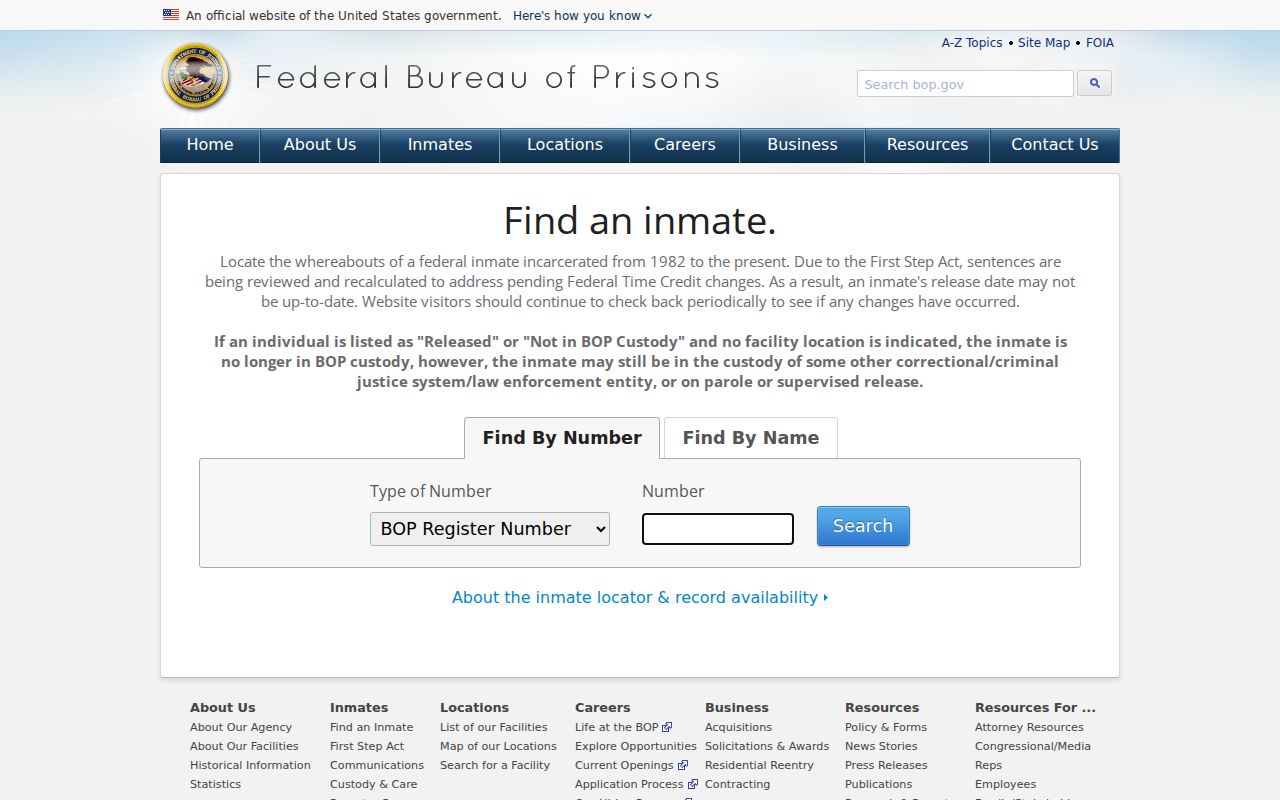
A no-result there says nothing about local jail custody.
Appling County lies in the Southern District of Georgia for federal court matters.
Federal docket access belongs through PACER, while county prosecutions remain with Appling courts.
Surrency Crime Data Scale
Surrency had about 201 residents in the 2020 Census. At that scale, one event equals roughly five incidents per 1,000 residents. A small raw change can make a rate look dramatic. Never present a partial agency submission or a mixed county total as a Surrency crime trend.
The FBI Crime Data Explorer can be filtered by agency and year.
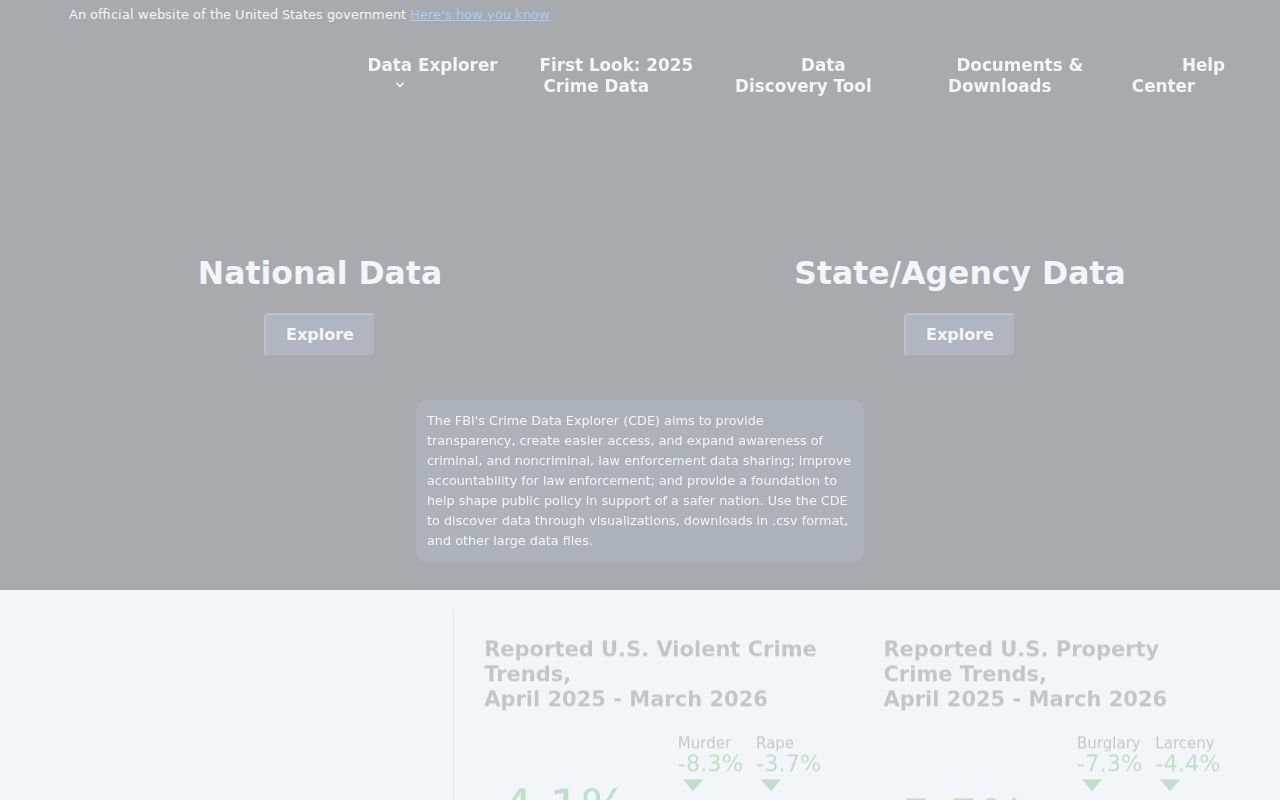
Label the reporting agency, year, completeness, raw count, and whether the measure is incidents, offenses, arrests, or clearances.
Surrency Railroad Record Context
Surrency grew from a railroad station and remains Appling County's smallest incorporated municipality. That history helps explain why county-based access channels dominate. The small town does not publish the broad online justice infrastructure that a larger city might maintain, while the jail, trial-court clerk, state supervision, and registry functions converge in Baxley.
This context should shape the search, not lower expectations for public access. Identify the local custodian, use Georgia's open-records process, and follow a filed case to the county clerk. The record can be public even when the town offers no web portal.
Older Surrency material may also demand a manual clerk search instead of a provider query. Give the clerk a useful date range and record type. Ask whether an index, docket, or certified disposition is available, since each serves a different need and may have a different copy process.
Public Access Rules in Surrency
Georgia's Open Records Act favors access to existing public records. O.C.G.A. § 50-18-71 addresses response or production within three business days, electronic access, estimates, and reasonable costs. It does not require an office to create a new compilation or answer research questions. If production needs more time, the custodian can state when the record should be ready.
Agencies may redact or withhold material covered by law, including sensitive identifiers, victim or minor data, and specified investigative content. A denial should cite its legal basis. Court records also remain subject to sealing orders and court rules.
Key Statutes:
O.C.G.A. § 50-18-70 sets the broad presumption of access.
O.C.G.A. § 50-18-71 covers response timing, delivery, and reasonable cost.
O.C.G.A. § 50-18-72 lists exemptions and redaction authority.